







明代广州府倾解椒木军饷银伍拾两 GBCA 锭 XF
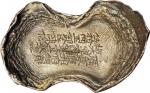
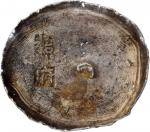
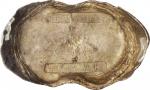
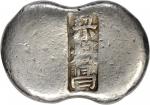
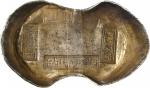
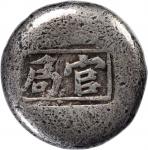
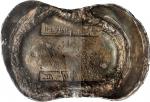
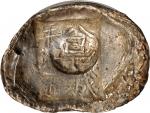
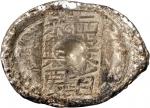
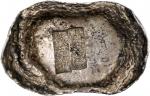
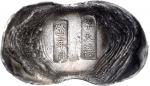
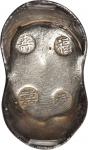
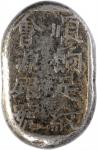
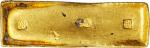
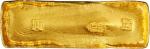
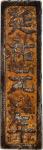
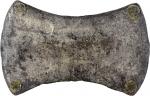
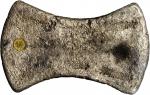
明代广州府倾解椒木军饷银伍拾两。 重1781.5克。表面有波纹,23个文字分三列刻于其上,铭文深刻清晰,铸打的银匠名为陈信。高边内卷,有几处小戳印。缝隙处有积土。备受藏家追捧,定引起激烈竞拍。<em>明朝早期,实行封海政策,以防止海盗入侵。为维护与外国的贸易,政府鼓励外国使臣在中国以"朝贡"方式开展贸易,故有"朝贡贸易"。为抑制无限印纸钞引起的通货膨胀,政府给官员发放辣椒和印度红木作爲薪酬。此银锭是广州徵收朝贡贸易中的货物税支付军饷。在明朝金融和税收历史以及中国军事史中,有重要作用。</em>
On September 1, 2019, the United States enacted new tariffs on collectors items manufactured in China. Accordingly, all buyers in forthcoming Stacks Bowers and Ponterio Hong Kong Auctions who wish to have any Chinese manufactured item delivered within the United States will be subject to these tariffs.</em><em>Furthermore, as a result of the new tariffs, all orders will be shipped directly from our Hong Kong offices and shipments to the United States will be subject to our international shipping chart.</em>
CHINA. Guangdong Yuanbao. Guangzhou Qing Jie Mu. Military Expense Ingot. Silver 50 Tael Tributary Trade Ingot, ND. Ming Dynasty. Graded XF 45 by GBCA. BMC-not listed; cf.Zhejiang Provincial Museum-pg. 104; cf.China Numismatic Museum-287. Weight: 1781.5 gms. The rippled surface exhibits 23 characters, each hand inscribed in three columns, nearly all are complete and boldly applied, the name of the silver smith who cast this ingot is Chen Xin. Several small portions of the raised wings are curled over as is commonly seen on the earlier high tipped types. Minor earthen deposits are noted in the crevasses mentioned for accuracy. Otherwise an attractive example of a highly sought after and significant type certain to see spirited bidding from advanced collectors. During the early years of the Ming dynasty a sea ban was implemented to protect the country from invading pirates. To maintain trade with overseas countries the government encouraged foreign envoys to conduct trade in China in the form of presenting tributes, hence "Tributary Trade". In order to mitigate the inflation caused by the reckless issuance of paper money the government went so far as to pay officials wages in the form of pepper and Indian redwood. The present ingot is an example of how the city Guangzhou used the goods tax from the tributary payments to pay military expenses and is historically significant in the study of Ming Dynasty Finance and tax history as well as Chinese military history.
*拍品信息由各家拍卖公司提供,首席数据中心刊载出于传递更多信息之目的,并不意味着赞同其观点或证实其描述。