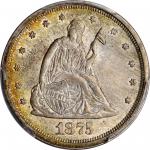




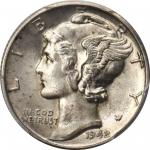
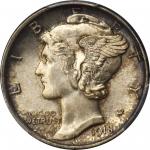
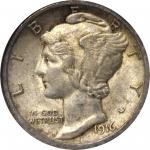


1875-S Twenty-Cent Piece. BF-4. Rarity-4. MS-67 (PCGS). An angelic and pristine survivor of the short-lived "double dime" series. Silvery brilliance dominate the complexion, yielding to soft shades of olive, teal and gold iridescence at the borders. The motifs are exceptionally intricate throughout, blanketed in a rich and unbroken luster that effortlessly floods into the semi-reflective fields. A truly outstanding coin irrespective of type or issue, and certainly one of the finest known twenty-cent pieces known to numismatics.Authorized by the Act of March 3, 1875, the twenty-cent piece came to fruition largely through the efforts of Senator John Percival Jones of Nevada. Representing Western silver mining interests, Jones saw the twenty-cent piece as another outlet for the mine owners product, one that would require the United States Mint to purchase more of their precious metal for coinage operations. In order to sell Congress and, indeed, the nation as a whole on the need for a twenty-cent piece, however, Jones told the story of unfortunate patrons in the Western United States being cheated by merchants due to a lack of small denomination coins in circulation. By the mid 1870s the Spanish "bit," or one-eighth of an 8 reales, although nominally valued at 12.5 cents, had become equivalent to a United States dime in the Western part of the country. With a shortage of five-cent coins in circulation in the West at that time, however, a customer offering a quarter dollar for a "bit" purchase received only a dime in change, thereby being forced to pay 15 cents for a 10 cent purchase. According to Senator Jones, a twenty-cent piece would return fairness to such transactions, allowing the patron to make their "bit" purchase with the new coin and receive the proper change in the form of a dime.Coinage for the new denomination began in 1875 at the Philadelphia, Carson City and, especially, San Francisco mints. From the start, however, it was apparent that the twenty-cent piece as a circulating denomination had problems. The size and design were too similar to those of the quarter dollar for the twenty-cent piece to be useful in the Western states. In the East, where minor coinage and paper money were already widely in use, a coin denominated as twenty-cents was simply not needed. Limited circulation strike deliveries followed from the Philadelphia and Carson City mints in 1876, after which no more examples of this type were produced for commercial use. Proof coinage, which commenced in 1875 with the authorization of the denomination, continued through 1878, that year finally seeing the last of twenty-cent piece production.At 1,155,000 pieces produced, the 1875-S has the highest mintage in the brief twenty-cent series. It is by far the most plentiful issue of this denomination in todays market, and is the quintessential type candidate for the collector seeking a single example of the twenty-cent piece. Perhaps interestingly for a denomination that proved such a failure in commerce, most 1875-S twenty-cent pieces in numismatic hands are worn, often to a considerable extent. Yet even so, Mint State survivors are plentiful enough that they are usually available in quantity in major auctions and at other large numismatic gatherings. However, in Superb Gem condition, it becomes a considerable rarity and only the Cardinal example ranks finer than the present example at MS-68 (PCGS). An important and fleeting bidding opportunity for the type collector or twenty-cent piece specialist who will accept nothing but the finest.
*拍品信息由各家拍卖公司提供,首席数据中心刊载出于传递更多信息之目的,并不意味着赞同其观点或证实其描述。